Address
304 North Cardinal St.
Dorchester Center, MA 02124
Work Hours
Monday to Friday: 7AM - 7PM
Weekend: 10AM - 5PM
Address
304 North Cardinal St.
Dorchester Center, MA 02124
Work Hours
Monday to Friday: 7AM - 7PM
Weekend: 10AM - 5PM

Feng shui is an ancient Chinese system for arranging spaces to achieve harmony, balance, and positive energy flow. At its core, feng shui looks at how the setup of your home or workspace affects your well-being, relationships, and even your luck. It’s all about tuning your surroundings—furniture, colors, and even decorations—so you feel better and life just seems to click.
This old-school practice draws from deep Chinese philosophy, but it’s still popular today for a reason. People use feng shui because it gives practical ways to create calmer, more supportive environments. Whether you want extra peace at home or a little boost running your business, feng shui is all about making your life smoother and more successful, one room at a time.
Feng shui has been shaping environments for thousands of years, dating all the way back to ancient China. The name literally means “wind” and “water,” two elements that ancient Chinese believed had the power to shape the land and bring fortune or hardship. Early practitioners looked to the natural world to figure out how energy, or “qi,” moved through landscapes, villages, and homes.
This practice started more than 3,000 years ago. At first, it was mainly used by emperors and high officials to pick the best spots for palaces, tombs, and temples. The goal? Tap into good energy for power, health, and prosperity, and keep bad vibes at bay. Feng shui drew heavily on ancient Chinese philosophies, especially Daoism, which centers on harmony between humanity and nature.
As centuries rolled on, feng shui expanded beyond palaces into everyday life. Chinese families started using its principles to decide how to build homes, place furniture, or even plant gardens. Today, feng shui’s influence stretches worldwide—adapted and integrated into interior design, architecture, and wellness circles. No longer just for the elite, it’s for anyone looking to bring balance and good fortune into their space.
The heart of feng shui lies in the principle of yin and yang—the two opposite but complementary forces that keep the universe balanced. Yin represents the soft, calm, and receptive side of energy. Yang is active, bright, and outgoing. Think of it as a balancing act: day and night, soft and hard, stillness and movement. Too much of one throws everything off.
In feng shui, creating harmony is about finding that sweet spot where yin and yang work together. This balance guides everything: how you arrange furniture, which colors go where, and what kind of light you use. For example, if a room feels too cold and shadowy (too much yin), you can add warm lighting or bright decor (more yang) to perk things up.
Getting this right isn’t just for looks. The way yin and yang flow affects your stress levels, sleeping habits, motivation—pretty much your whole mood. By mixing calming and energizing elements in each area, you help qi, or life force, circulate smoothly. It’s all about adapting your space to what you need most, whether it’s rest, focus, or lively conversation.
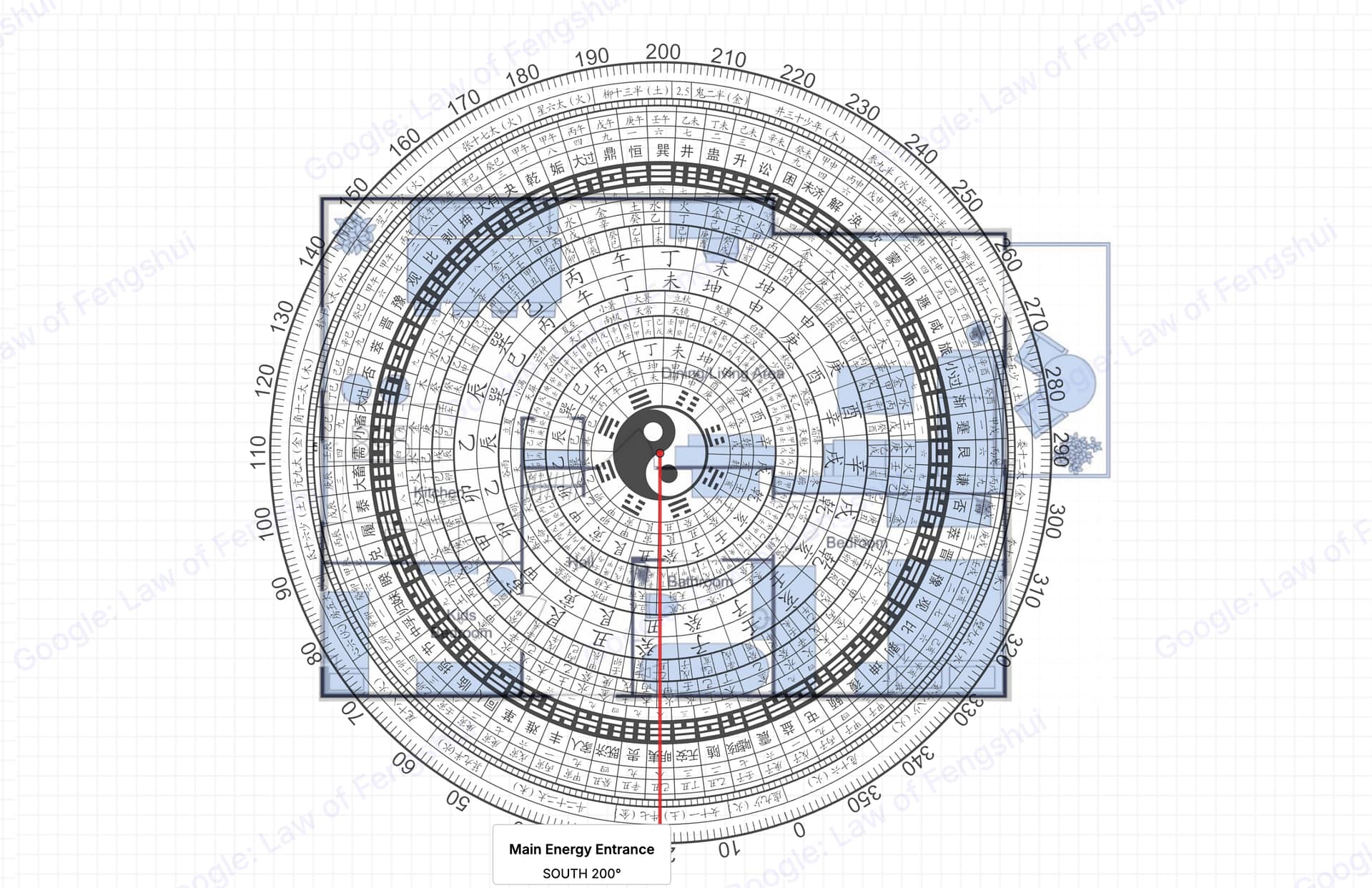
Want to see how yin-yang balance and the five elements map onto a real floor plan?
Our sample report runs 15+ classical compass systems on an actual property and scores every room by element, direction, and energy phase.
Feng shui uses five essential elements—wood, fire, earth, metal, and water—to shape the energy of any space. Each element stands for different qualities and moods. Wood is about growth and creativity, fire brings passion and energy, earth creates stability, metal supports clarity and precision, and water brings calm and flow.
These elements aren’t just symbols; they interact in ways that can boost or block good vibes. For example, wood feeds fire, fire creates earth (ash), earth bears metal, metal collects water (condensation), and water nourishes wood. When one element overpowers or drains another, things get out of whack. Balance, here too, is the name of the game.
You can mix these elements into your home with colors, materials, and shapes. Plants and green hues add wood energy. Candles and red items bring in fire. Ceramic pots or sandy tones support earth. Shiny objects or round metal pieces belong to metal. A fountain or anything blue connects to water. Get them working together, and your place will feel balanced, dynamic, and full of good energy—whether you’re a total beginner or deep into feng shui already.
The bagua map is like a feng shui treasure map for your home. It splits your space into nine zones, each linked to a different part of life—wealth, health, career, relationships, and more. By laying this grid over your floor plan, you get a quick view of where energy might be stuck or needs a boost.
Applying the bagua is straightforward: stand at your main entrance and imagine the map sitting right on top of your house’s layout. Each area lines up with a specific room or spot. For example, the far left corner from your door usually connects to the “wealth” zone, while the back right links to relationships. Spot the zone you want to work on, and adjust that area with helpful colors, elements, or objects.
The beauty of the bagua is its simplicity. You don’t need to memorize ancient charts or complex rules. It’s a visual, practical tool for seeing your place with new eyes—helping you spot areas of strength or stagnation, then take steps to create more balance and support in your daily life. It’s feng shui made usable, right off the bat.
Creating good feng shui in your home goes beyond just moving your couch or picking pretty colors. At the core, it’s about letting positive energy (qi) move smoothly throughout your space so you and your family feel uplifted, safe, and supported. When your home feels settled, it seriously helps your mood and even your health.
The main foundation? Start by clearing out clutter—anything broken, unused, or just collecting dust can slow down energy and mess with the vibe of your home. Clean, open spaces let fresh energy flow in, making rooms feel bigger, brighter, and more peaceful. It’s a game-changer, especially in small apartments or older homes.
Feng shui isn’t one-size-fits-all. The basics can be used in any home, no matter your style or budget. It’s about using what you’ve already got—from lighting and layout to color and personal touches—to tweak the mood and keep things inviting. The following sections zoom in on bedrooms, living rooms, and those tricky spaces like kitchens and bathrooms, showing you how to tailor feng shui room by room for the best effect.
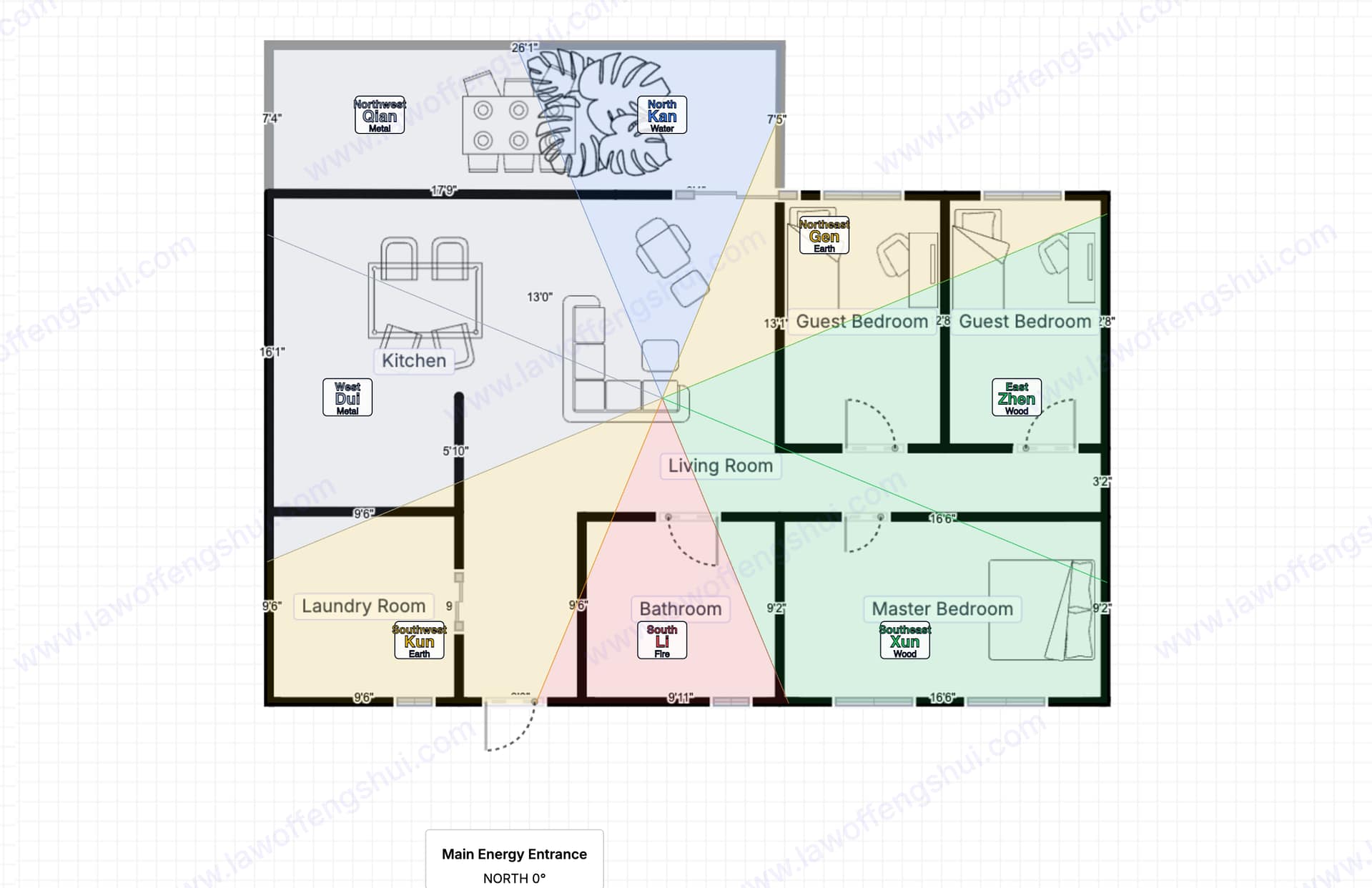
Curious what the ba gua map looks like on an actual property?
Our sample report overlays all 8 life-area sectors on a real floor plan so you can see which rooms fall in wealth, health, and relationship zones.
Beyond layout and clutter control, certain design elements can seriously up your feng shui game. Colors, mirrors, plants, and fountains aren’t just for looks—they all play big roles in shifting the energy of your space. Each feature has a specific job: setting the atmosphere, boosting mood, or redirecting the flow of energy where you want it most.
Choosing the right combination of colors can lift spirits, calm nerves, or bring more vibrancy where you need it. Mirrors, when placed wisely, can make rooms feel bigger and brighter and help move energy out of cramped corners. Plants breathe fresh life indoors, while water features like fountains dial up relaxation and abundance vibes.
It really comes down to matching these elements to your goals and what feels natural in your space. The upcoming sections lay out step-by-step guidance for using each one. You’ll get the details on how and where to add color, position mirrors, select plants, or install a fountain to transform your home into a more balanced and joyful retreat.
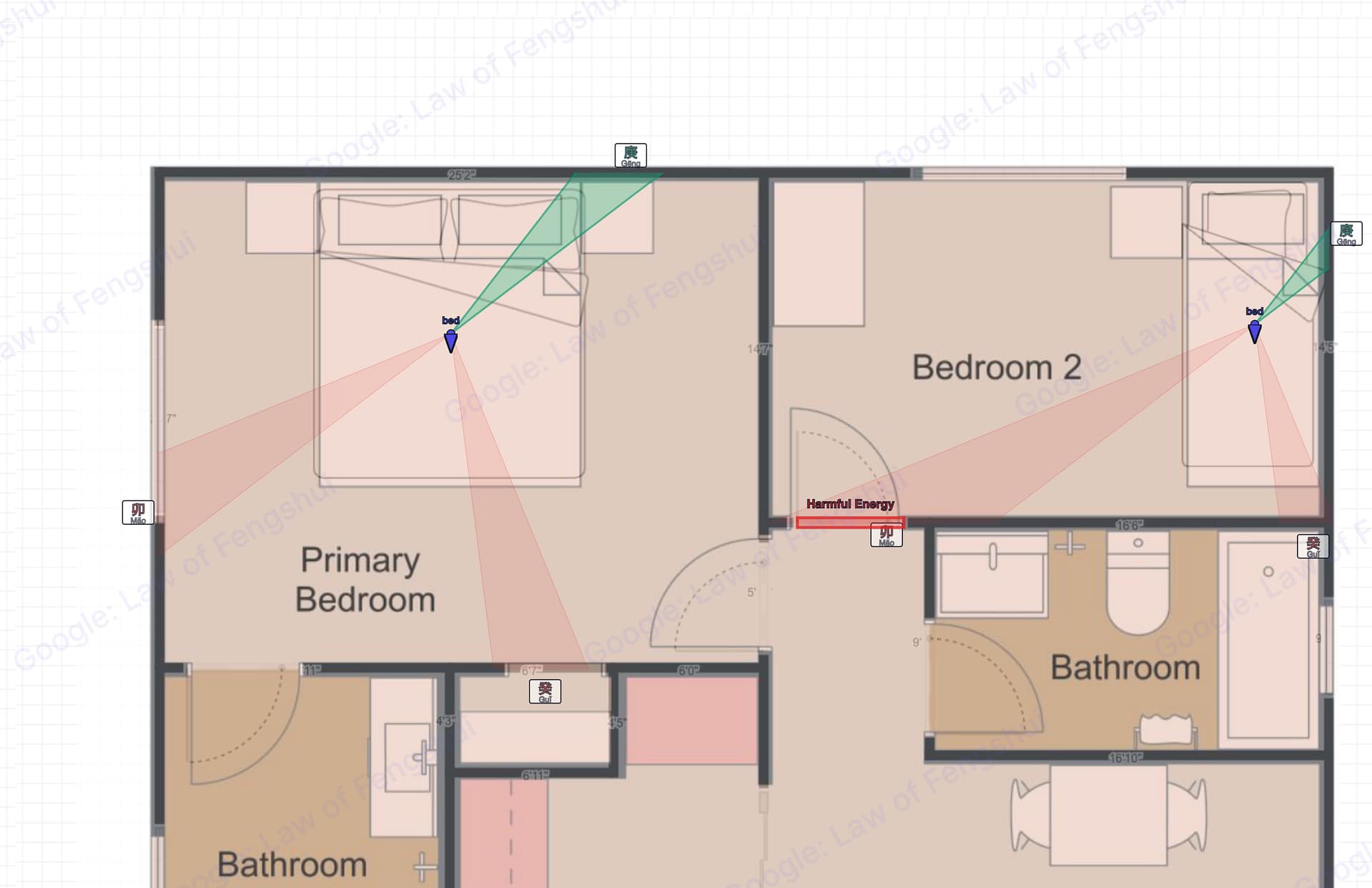
In feng shui, the “commanding position” is a big deal—think of it as prime real estate for you and your furniture. This means putting your bed, desk, or main seat in a spot where you can clearly see the door without being right in line with it. You’re not on full display, but you’re not in the blind zone either.
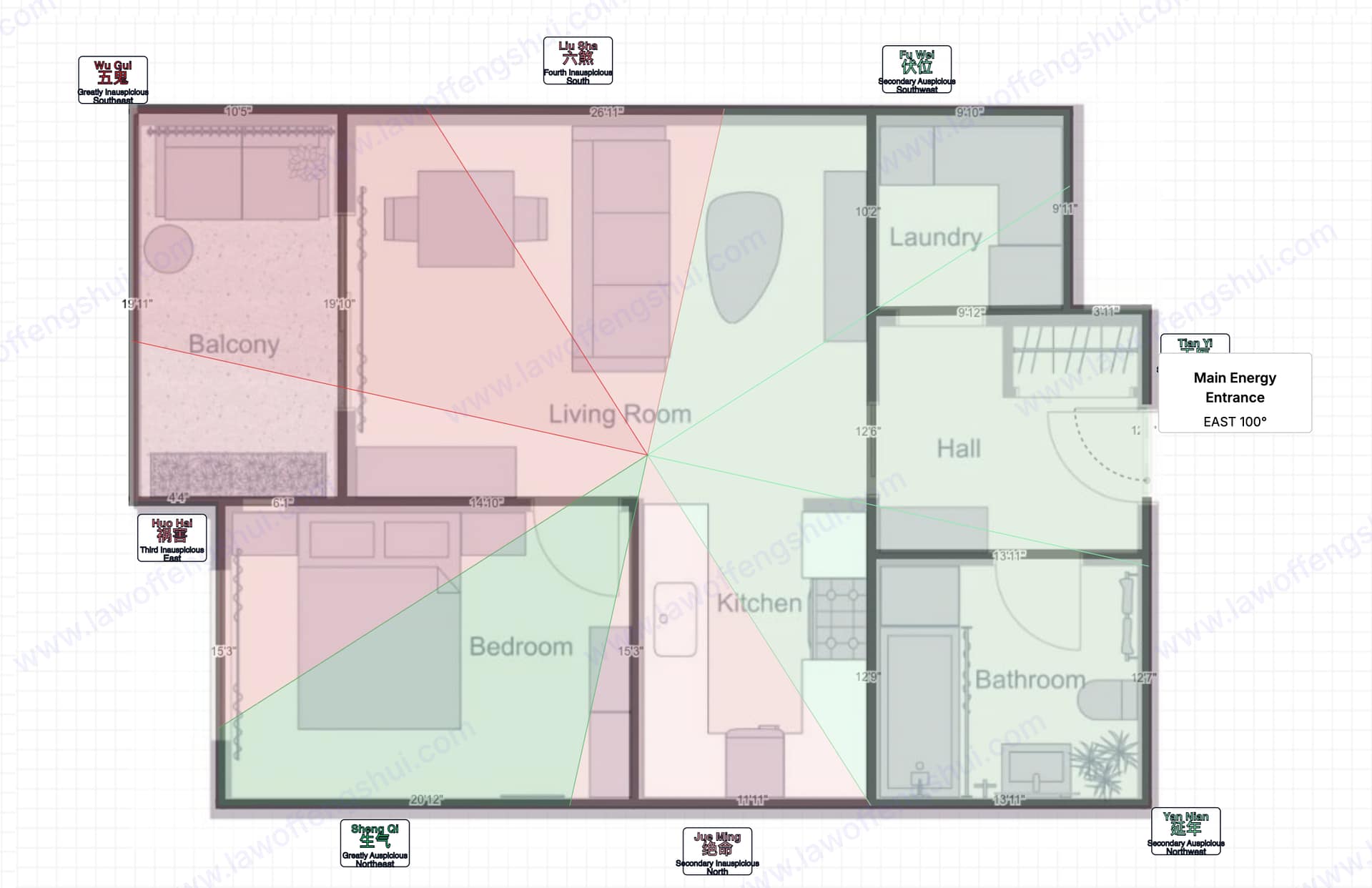
Why does this matter? It’s all about feeling safe and supported. When you’re in command, your awareness is up. You spot what’s coming, and you don’t get caught off guard. Beds and desks benefit most here—your headboard up against a solid wall, good view of the entrance, and not trapped in a corner.
Now, let’s talk about qi (“chee”), the life force or energy flow that feng shui revolves around. Qi is the invisible juice moving through your rooms, kind of like an energetic breeze. The goal is to keep it moving gently—no blockages, no racing drafts, nothing swirling and getting stuck behind doors or furniture.
Blending the commanding position with a strong flow of qi isn’t just ancient wisdom. It actually supports comfort, productivity, and emotional balance in everyday life. Tbh, once you nail these basics, the whole place starts to “feel” better—less stress, more chill, and a setup that works with you instead of against you.
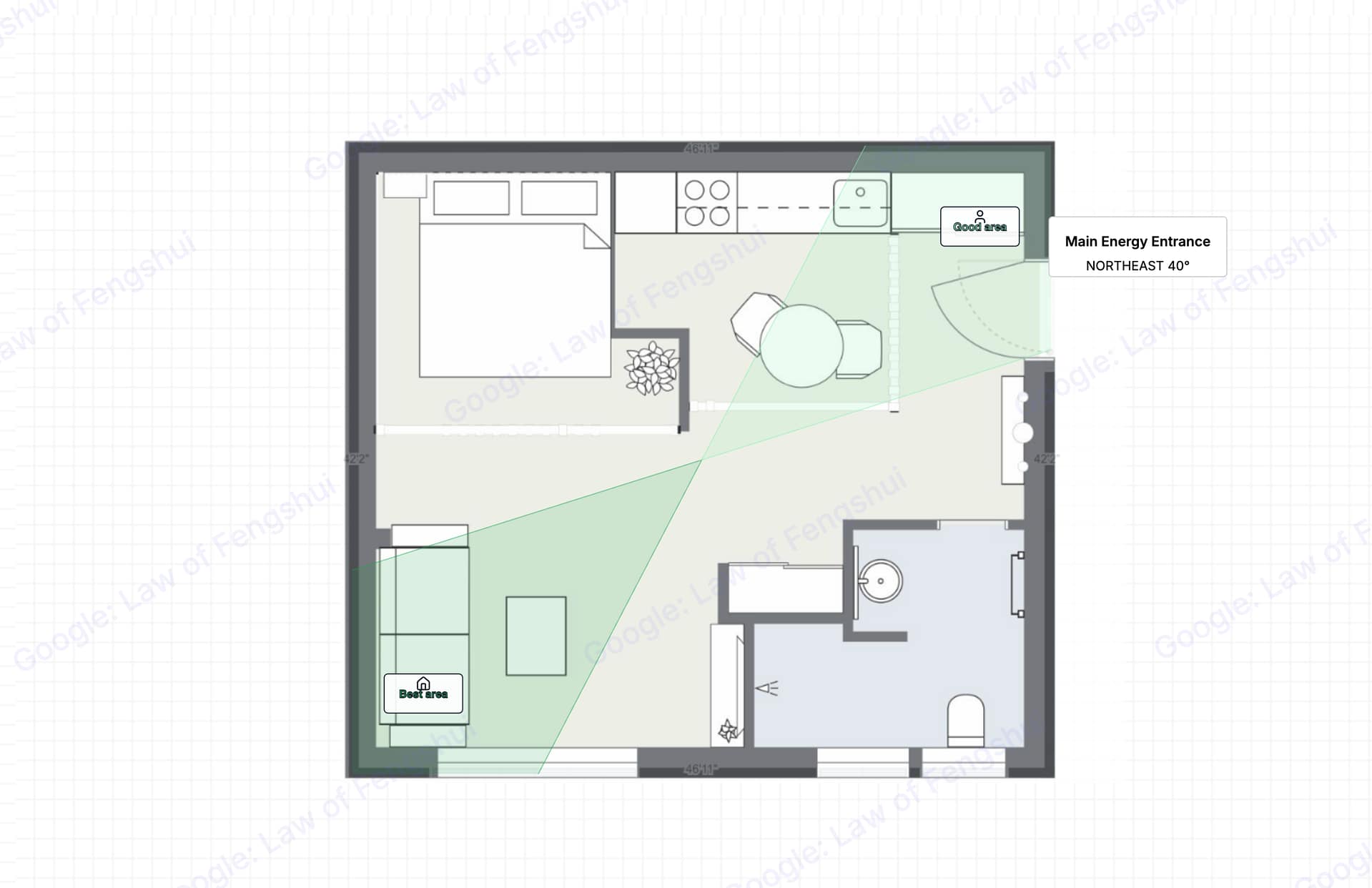
Curious what 15+ classical feng shui systems reveal about a real home?
Our sample report shows every overlay on an actual floor plan so you can see the difference between classical analysis and generic advice.